

antique silver mirror
Understanding the Pricing of SS Butterfly Valves Butterfly valves are crucial components in various industrial applications, offering reliable control of fluid flow. Among the diverse types of butterfly valves, stainless steel (SS) butterfly valves stand out due to their durability and resistance to corrosion. Understanding the factors that influence the price of SS butterfly valves can help businesses make informed purchasing decisions. Materials and Construction The primary reason for the higher cost of SS butterfly valves compared to those made from other materials lies in the stainless steel itself. Stainless steel is renowned for its ability to withstand harsh environments, making it ideal for industries that involve corrosive substances. The grade of stainless steel used—commonly 304 or 316—can significantly affect the price. For instance, grade 316, which contains molybdenum, offers better resistance to pitting and can withstand more aggressive chemicals, thus commanding a higher price. Size and Specifications The size of the valve is another key determinant of its price. Larger valves require more materials and more complex manufacturing processes, which can escalate costs. Additionally, the specifications of the valve, including pressure ratings and connection types (flanged, lugged, or threaded), can also impact pricing. Higher pressure ratings generally lead to more robust and thus more expensive designs. Manufacturer and Brand Reputation Another significant factor in pricing is the manufacturer’s reputation. Established brands with a track record of quality and reliability may charge a premium for their products. Customers often prefer these well-known brands despite higher prices because they are associated with consistent performance and quality assurance. On the other hand, lesser-known brands may offer competitive pricing to gain market share, but buyers should consider the trade-off between cost and reliability. ss butterfly valve price Market Demand and Economic Factors The broader economic context also plays a role in the pricing of SS butterfly valves. Fluctuations in stainless steel prices, driven by global market trends, can lead to increased costs for manufacturers, which they, in turn, pass on to consumers. Moreover, when demand for industrial valves rises—due to infrastructural development or growth in sectors like oil and gas—it can drive prices up. Customization and Additional Features Customization options can also significantly enhance the cost of butterfly valves. Businesses may require specific features, such as electric actuators for automated control or special coatings for enhanced durability. These customizations add to the base price and should be factored into budget considerations. Maintenance and Lifecycle Costs While the initial purchase price of an SS butterfly valve is important, it is also essential to consider maintenance and lifecycle costs. Stainless steel valves typically require less maintenance than their counterparts made from inferior materials, leading to long-term savings. Buyers should evaluate the total cost of ownership, which includes initial investment, maintenance, and potential downtime costs due to valve failure. Conclusion In summary, the pricing of SS butterfly valves is influenced by various factors, including material grade, size, manufacturer reputation, market demand, and any custom features. A thorough understanding of these elements can aid industries in making strategic purchasing decisions. By balancing initial costs with long-term reliability and performance, businesses can ensure they select the right valves for their specific needs and applications.
about
antique silver mirror
The Indispensable Role of Truss Nails and Nail Plates in Construction In the world of construction and woodworking, truss nails and nail plates hold a significant position due to their ability to provide robust and secure connections. These humble components play an essential role in the structural integrity of buildings, bridges, and other large-scale structures. A truss nail, also known as a framing nail, is a specialized nail designed specifically for heavy-duty applications. Typically made from high-strength steel, they are thicker and longer than standard nails, with a larger head to provide greater holding power. Truss nails are commonly used in the assembly of wooden trusses, which are prefabricated triangular structures that form the backbone of many roofs and floors. Their strength and durability make them ideal for withstanding the immense weight and pressure exerted on them. Nail plates, on the other hand, serve as connectors between trusses and other structural elements. They are metal plates with pre-punched holes where nails or screws are driven in to join two pieces of wood. The use of nail plates not only enhances the stability but also reduces the chances of splitting or cracking in the timber, thus extending its lifespan. They are particularly useful in situations where traditional nailing is not feasible or would compromise the structural soundness. The combination of truss nails and nail plates is a testament to the marriage of functionality and innovation in modern construction The combination of truss nails and nail plates is a testament to the marriage of functionality and innovation in modern construction The combination of truss nails and nail plates is a testament to the marriage of functionality and innovation in modern construction The combination of truss nails and nail plates is a testament to the marriage of functionality and innovation in modern construction truss nail plate . They streamline the building process by allowing for faster and more efficient assembly, while ensuring safety and longevity. The precision engineering of these components ensures that each connection is strong enough to withstand the forces of nature, such as wind, snow, and earthquakes. Moreover, the use of truss nails and nail plates also contributes to sustainability in construction. They enable the use of engineered wood products, which are more eco-friendly than solid timber due to their higher yield and lower environmental impact during production. This combination promotes efficient resource utilization and supports green building practices. In conclusion, truss nails and nail plates may seem like small elements in the grand scheme of construction, but their importance cannot be overstated. They are the silent heroes that quietly hold together the skeletons of our homes, offices, and public spaces. As technology advances, so does the design and functionality of these tools, ensuring that they continue to serve their purpose effectively and efficiently. The next time you admire a towering skyscraper or a sturdy bridge, remember the critical role played by these seemingly insignificant components in creating the sturdy framework that supports it all.
-

High quality industrial productsagement

High quality industrial products
View Details -

Meet the diverse needs of customers

Meet the diverse needs of customers
View Details -

Strict quality control

Strict quality control
View Details -

Top raw materials

Top raw materials
View Details -

Trusted supplier

Trusted supplier
View Details
Our application

news and information
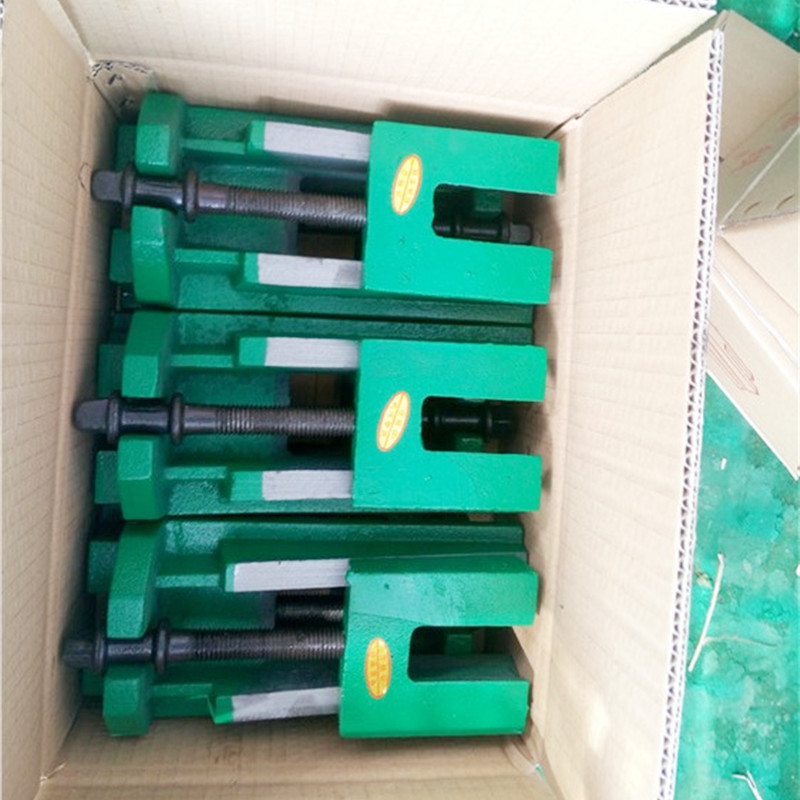
Versatile Clamps for Efficient Welding Table Setup and Secure Workholding Solutions
Essential Guide to Welding Table Clamps A Must-Have for Every Workshop Welding is a crucial skill in
Versatile animal repellent device for effective pest control in various settings.
A multifunctional animal repeller is a device that is designed to keep unwanted animals away from yo
Válvula de mariposa de 1200 mm para aplicaciones industriales y de control de flujo
Válvula de Mariposa de 1200 mm Eficiencia y Aplicaciones en la Industria La válvula de mariposa es u
 English